Why Project Design Is More Than Just Planning
To deliver real results — measurable impact, funding success, and sustainable growth — organisations need something more: strategic project design.
At ISSEAD, we believe that smart project design is the foundation for initiatives that don’t just exist on paper, but transform communities, industries, and futures.
Here’s why the distinction matters — and how embracing strategic design can position your next project for real success.
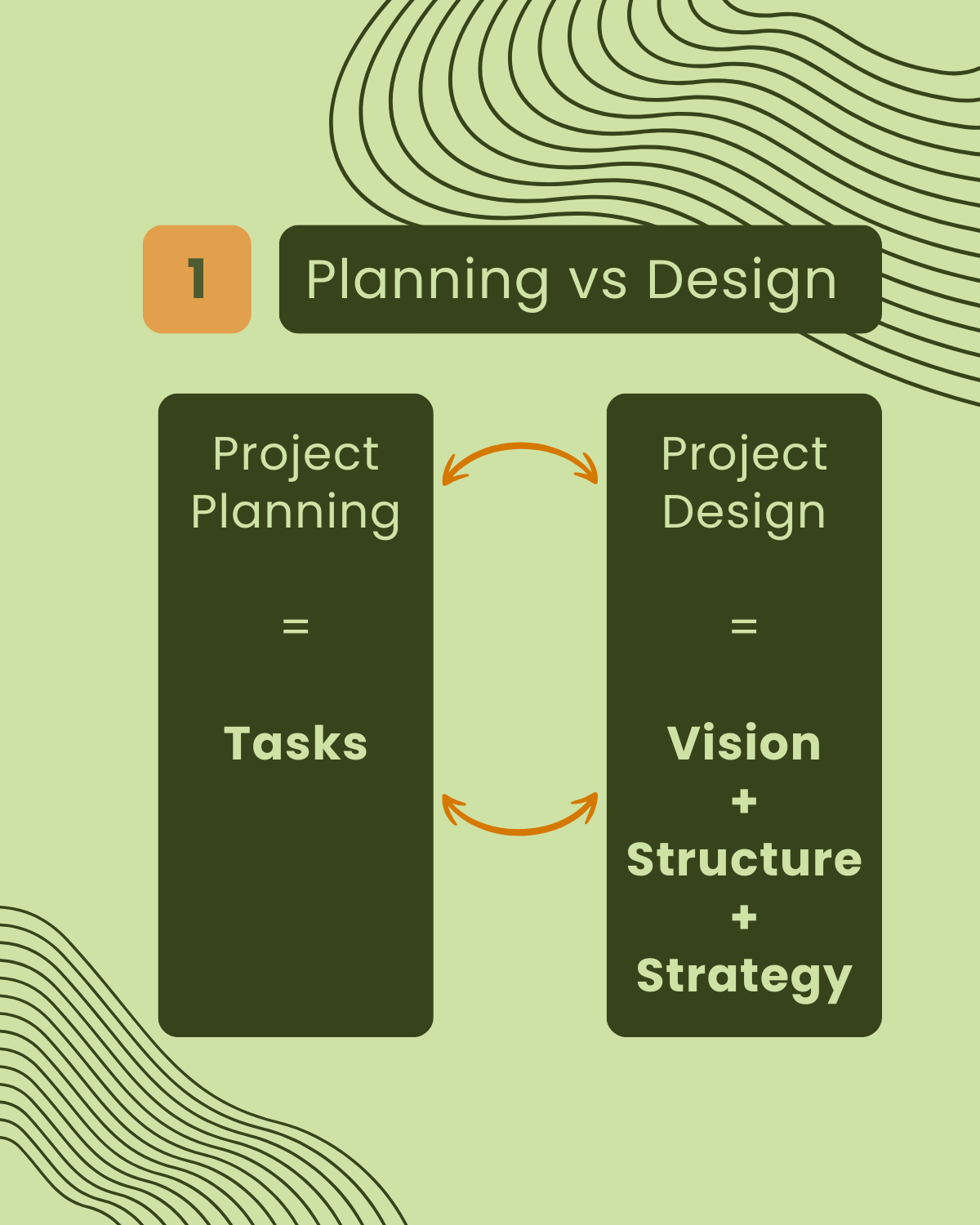
Planning vs. Designing: What’s the Difference?
Project planning typically focuses on outlining tasks, timelines, and resources. It’s essential — but by itself, it answers only how a project will be delivered.
Project design, on the other hand, addresses why, for whom, and toward what impact the project exists. It is the bridge between vision and action, transforming broad ideas into clear, fundable, and sustainable strategies.
Simply put: Planning organises. Designing empowers.
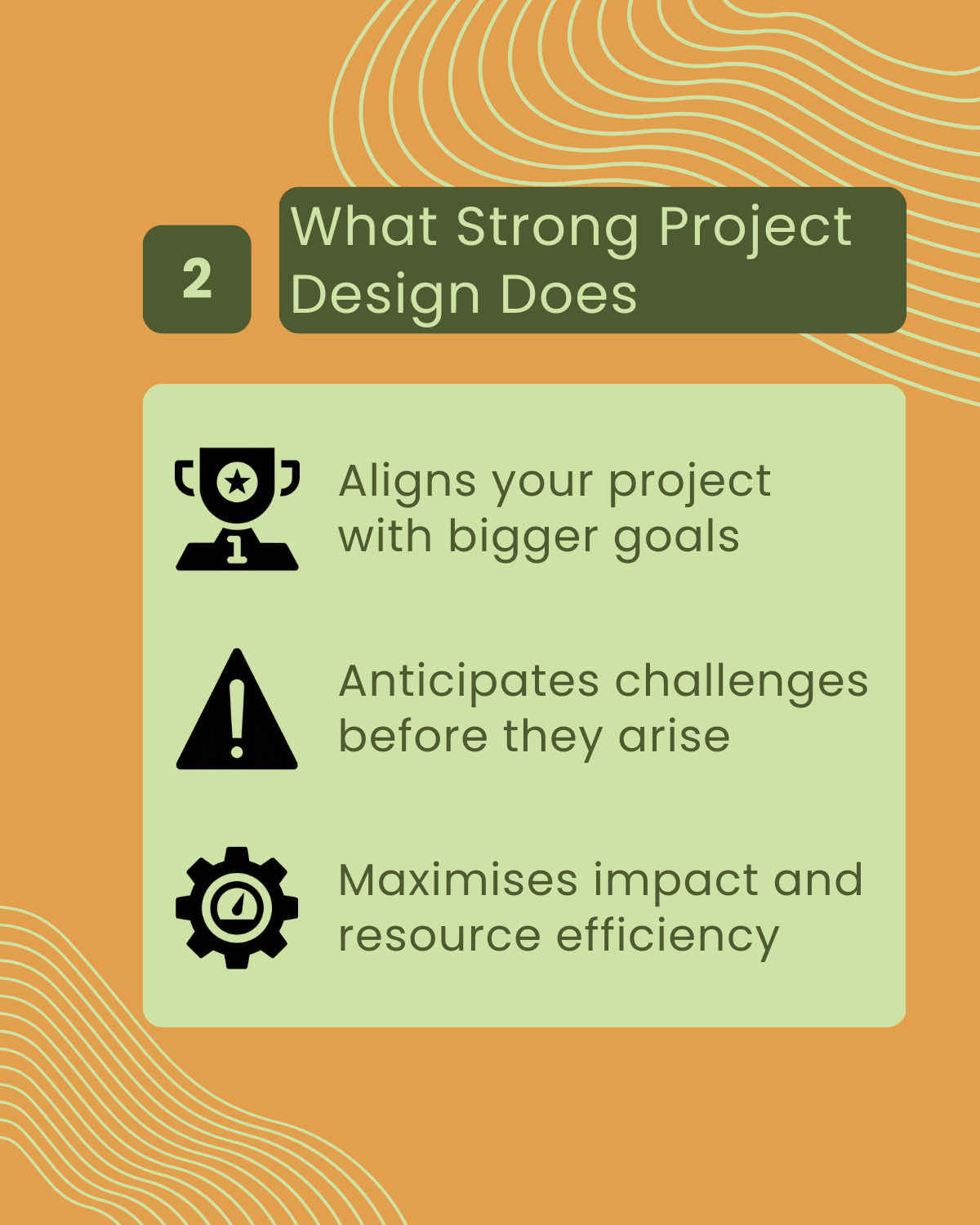
What Strategic Project Design Achieves
When project design is treated as a strategic exercise, not an administrative task, organisations unlock powerful advantages:
1. Aligns Vision with Reality
Strong project design ensures that project activities, goals, and outcomes are logically connected, realistic, and funder-aligned.
Result: Proposals are coherent, compelling, and credible.
2. Anticipates Challenges Before They Happen
By embedding risk analysis and flexibility into the design phase, potential barriers are identified early—and mitigation strategies are built into the project structure.
Result: Fewer surprises, smoother implementation.
3. Maximises Impact and Efficiency
Strategic design focuses on real-world impact, not just deliverables. It considers the sustainability of results and optimises how resources are deployed.
Result: Projects create meaningful change, not just activity reports.
4. Increases Funding Success
Funders recognise when a proposal is the product of careful, strategic design. They look for projects that demonstrate clear problem definition, measurable outcomes, scalability, and alignment with policy priorities.
Result: Higher evaluation scores, greater funding chances.
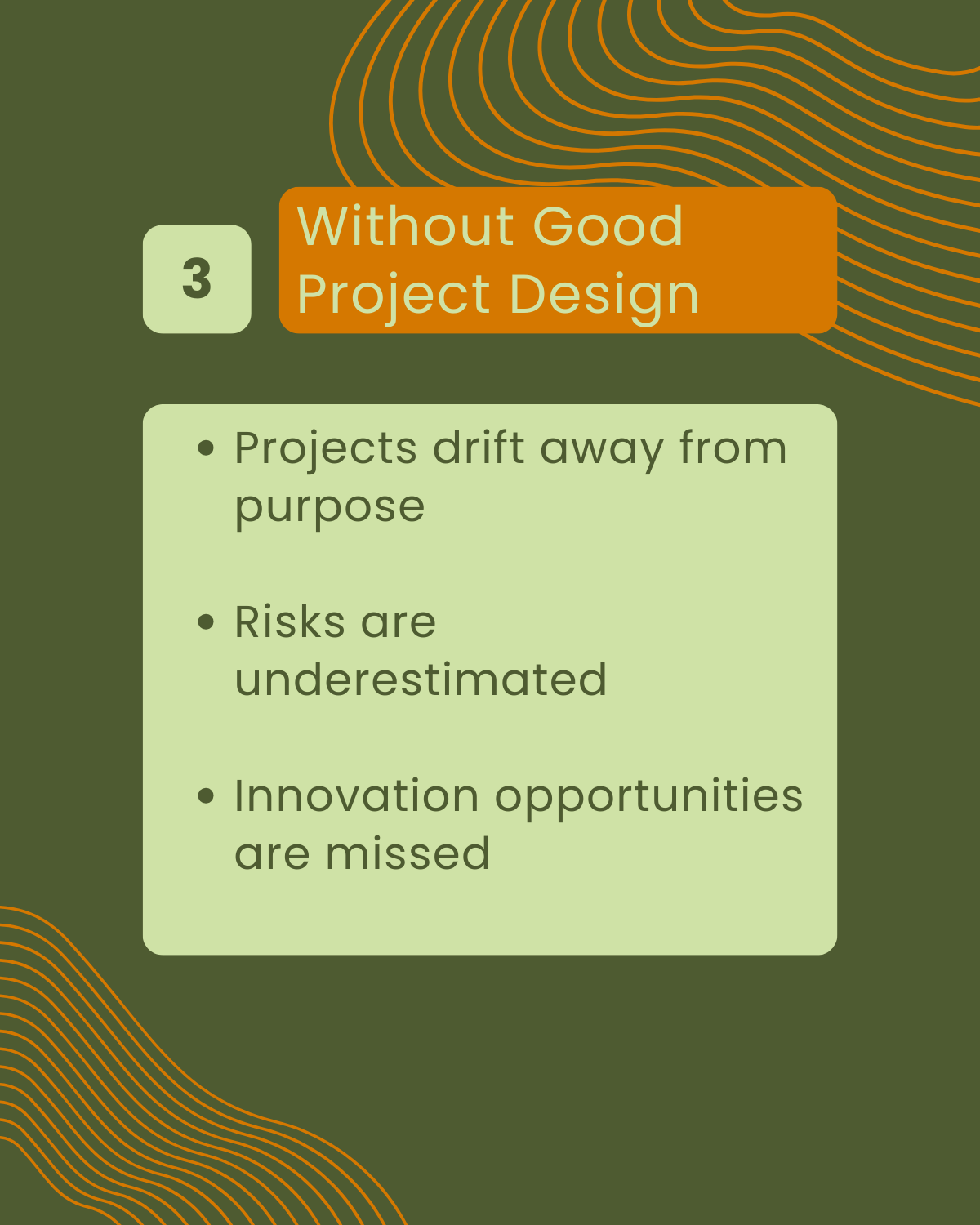
Common Pitfalls of Weak Project Design
Overpromising on outcomes that cannot be realistically achieved
Ignoring long-term sustainability and post-project impact
Focusing too much on internal needs rather than community or policy needs
Treating evaluation and learning as afterthoughts rather than integral parts of the design
These mistakes weaken proposals and lead to missed opportunities, delays, or poor implementation.
How ISSEAD Approaches Project Design
At ISSEAD, we embed strategic design thinking into every phase of project development. Our process includes:
Vision alignment workshops to clarify goals and impact pathways
Risk and opportunity mapping to build resilience into plans
Sustainability frameworks to ensure long-term relevance
Strategic funding alignment to maximise resource leverage
Every project we design is crafted to be fundable, feasible, and future-ready.
Ready to Build Smarter, Stronger Projects?
Whether you’re aiming for EU funding or designing independent innovation initiatives, strategic project design is the foundation that turns ideas into lasting success.
👉 Explore ISSEAD’s Funding Roadmap and Project Design Resources to get started.
Or reach out to us — let’s design a better future together.